

Mulling spices are blends of whole or coarsely cut aromatic ingredients used to infuse warm drinks such as apple cider, wine, tea, and fruit juice. Common ingredients include cinnamon, cloves, allspice, and citrus peel, while some recipes add star anise, ginger, nutmeg, or cardamom. The spices are heated gently in the drink and removed before serving, creating a layered flavor without leaving ground-spice sediment.
A familiar combination of cinnamon, clove, citrus, and warm apple can also bring back memories of family gatherings, farm markets, and winter kitchens. That connection between aroma and memory helps explain why mulled drinks often feel as nostalgic as they taste.

Image: Olde Tradition Whole Mulling Spice Pieces
A Warm-Drink Tradition Across Cultures
Warm drinks flavored with spices have appeared in European and North American seasonal traditions for generations. Related regional drinks include Glühwein in Germany, gløgg in Scandinavia, and wassail in Britain. In the United States, nonalcoholic apple cider became another familiar base, especially at orchards, farm markets, and holiday gatherings.
Recipes differ by place and family, but the basic method remains consistent: warm a drink gently, add aromatic spices, allow them to infuse, and remove them before serving.
Why Mulling Spices Can Smell So Familiar
Odors can act as powerful retrieval cues for memories of people, places, and events. Research on olfactory memory and emotional learning helps explain why a familiar combination of cinnamon, clove, citrus, and warm fruit can quickly bring back seasonal or family memories.
The response is personal rather than universal. One person may associate mulled cider with an orchard visit, while another remembers a holiday kitchen or a mug of spiced tea. That emotional connection is part of the experience, but it should not be presented as a guaranteed psychological effect.
What Ingredients Are in Mulling Spices?
Mulling spice blends vary, but most combine warming whole spices with citrus peel. Whole or coarsely cut ingredients release their flavor gradually and are easier to remove than ground spices.
|
Ingredient |
What it contributes |
In Olde Tradition’s Original Blend? |
|
Cinnamon chips or sticks |
Sweet, woody warmth |
Yes |
|
Cloves |
Strong, deep spice |
Yes |
|
Allspice |
Rounded pepper, cinnamon, and clove notes |
Yes |
|
Orange peel |
Bright citrus character |
Yes |
|
Pure orange oil |
Concentrated orange aroma |
Yes |
|
Nutmeg |
Soft, warm flavor |
Optional in other blends |
|
Star anise |
Licorice-like flavor |
Optional in other blends |
|
Cardamom or ginger |
Floral or lively heat |
Optional in other blends |
Olde Tradition Whole Mulling Spice Pieces contain cinnamon chips, cloves, allspice, orange peel, and pure orange oil. The blend has no added sugar or preservatives, is naturally caffeine-free, and includes a reusable muslin brewing bag.
This corrects the ingredient information and introduces the product through a useful factual explanation rather than a sales pitch. The confirmed product ingredients and muslin-bag inclusion appear on the current product page.
What Can You Make With Mulling Spices?
Mulling spices work in alcoholic and nonalcoholic drinks, as well as aromatic simmer pots. The best format depends on whether you are preparing an individual mug or a larger batch.
|
Use |
Recommended approach |
Related guide |
|
Apple cider |
Infuse whole pieces in a muslin bag and remove them when the flavor is balanced |
|
|
Red wine |
Warm gently with whole spices, citrus, and optional sweetener |
|
|
Tea |
Use one tea bag per cup and follow the package steeping directions |
|
|
Cranberry punch |
Combine cranberry juice, citrus, and warming spices |
|
|
Simmer pot |
Warm whole spices with water and fruit, adding water as needed |
Holiday simmer pot |
When serving cider to children, older adults, pregnant guests, or people with weakened immune systems, choose cider that has been pasteurized or otherwise treated. The FDA’s juice-safety guidance explains that untreated juice and cider may contain harmful bacteria.
Important prerequisite
Correct the classic cider recipe before linking prominently to it. It currently uses one tea bag for an entire gallon, while the tea-bag product guidance describes one bag per cup.
For a gallon recipe, use the approved Whole Mulling Spice Pieces quantity or have the brand test and approve the required number of tea bags.
The Science Behind the Magic
Here’s the fun part: smell doesn’t go through the brain’s logic centers first - it goes straight to emotion. That’s why the scent of cinnamon feels like a hug, not a thought.
Every time you heat up cider or wine with spices, you’re creating something your senses already trust. You can’t fake that feeling - it’s too old, too deep.
Regional Twists & Stories from Around the World
Europe gave us the idea, but America gave it heart. In Germany, you’ve got Glühwein on snowy streets. In Britain, wassail comes with singing and mischief. Scandinavia’s Gløgg is so strong it could probably melt snow on contact.
Here, it became about farms, orchards, and home kitchens. You’ll still find family-run markets selling their own house blends - each a little different, each tied to memory.
And all those spices? They traveled the world to get here - cinnamon from Sri Lanka, cloves from Indonesia, nutmeg from the Moluccas. The same trade routes that shaped food shaped tradition.
How Do You Use Mulling Spices?
- Choose your beverage, such as pasteurized apple cider, wine, tea, cranberry juice, or 100% apple juice.
- Place whole spice pieces inside a muslin brewing bag, or use a prefilled tea bag for an individual cup.
- Warm the drink gently without bringing it to a rolling boil.
- Follow the quantity and infusion instructions for the specific product and beverage volume.
- Taste during the recommended steeping period.
- Remove the spice bag when the flavor reaches the strength you prefer.
- Taste the finished drink before adding honey, maple syrup, sugar, or another sweetener.
Different products and beverages require different quantities. For measurements, preparation methods, and drink-specific instructions, read our guide to how to use mulling spices for cider and tea.
How Should You Store Mulling Spices?
Store unused dry mulling spices in an airtight container or sealed package in a cool, dry, dark place. Keep them away from steam, direct sunlight, and heat from the stove. Whole spices gradually lose aroma and flavor, so check the package date and smell the blend before brewing. If the aroma has become faint, the finished drink will probably taste weak as well.
For more storage guidance, read our article on how long mulling spices last.
How Do You Choose a Mulling Spice Blend?
Start with the ingredient list. Look for clearly identified spices and citrus ingredients rather than relying only on packaging claims or appearance. Whole or coarsely cut spices are easier to contain and remove, while finely ground spices can leave sediment in the finished drink.
A blend with no added sugar lets you control the sweetness after brewing. However, that does not make a cider or juice drink sugar-free because fruit beverages naturally contain sugar.
Also consider how you plan to brew. Whole spice pieces work well for pots and larger batches, while individually portioned tea bags are more convenient for single mugs.
Avoid claiming that sugar-containing blends are automatically poor quality. Added sweetener is a formulation choice; the practical advantage of a no-added-sugar blend is greater control over the finished drink.
More Ways to Make Mulled Cider
If you are deciding which apple base to use, compare apple juice vs apple cider for mulling.
Preparing drinks for a gathering? Follow our slow cooker mulled cider recipe for a crowd for batch planning, timing, hot holding, and serving.
Add the apple-juice comparison link only after that new article is published.
Start With Your Favorite Drink
Mulling spices can bring cinnamon, clove, allspice, and citrus flavor to cider, wine, tea, juice, and seasonal punch. Start with a beverage you already enjoy, warm it gently, keep the spices removable, and taste before adding sweetener.
Whether you are preparing one mug or a gallon for guests, choose the format that suits the batch. Shop all mulling spices to compare whole spice pieces and convenient tea bags.
This is more useful and better targeted than “Bring the scent of the holidays home” linking to every store product.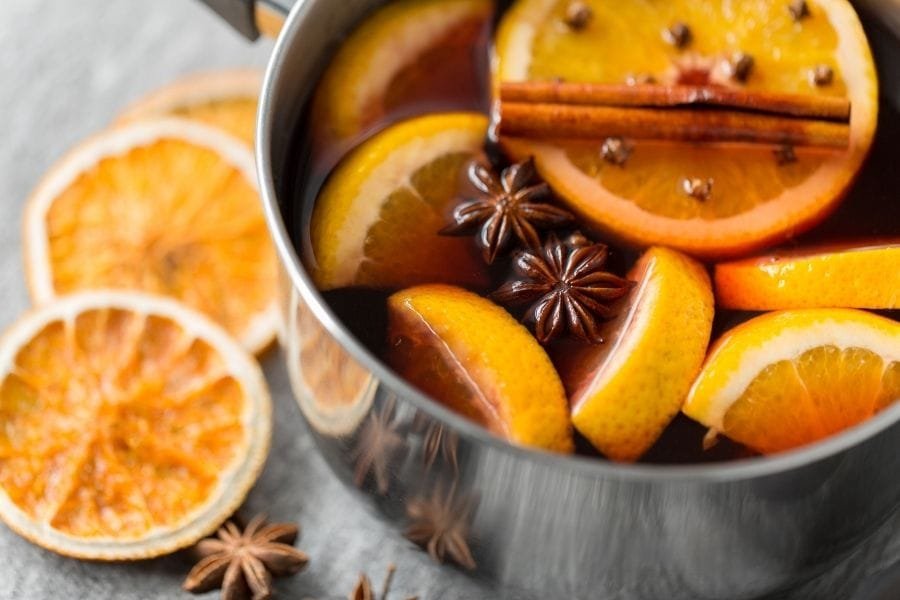
FAQ
What ingredients will you usually find in mulling spices?
We usually see cinnamon, cloves, allspice, and citrus peel forming the base of a mulling spice blend. Some recipes also include nutmeg, ginger, star anise, or cardamom. Our Original Blend contains cinnamon chips, cloves, allspice, orange peel, and pure orange oil.
How do you use mulling spices?
We recommend containing whole pieces in a muslin bag and warming them gently in cider, wine, juice, or another beverage. Taste during infusion and remove the bag when the flavor is balanced. Follow the product directions because quantities and steeping times vary by format and batch size.
Can you use mulling spices in tea?
Yes. We recommend using a prefilled mulling spice tea bag for individual cups because it is easy to steep and remove. Pair it with black, green, or herbal tea, following the directions for both products. Taste before adding honey, maple syrup, or another sweetener.
Do you need to add sugar to mulling spices?
No. We recommend tasting the finished drink before adding sweetener. Some commercial blends contain added sugar, while others do not. Even when the spice blend has no added sugar, apple cider, apple juice, wine, and other beverage bases may contain natural or added sugars.
How should you store mulling spices?
We recommend keeping unused dry spices sealed in a cool, dry, dark place away from steam and direct heat. Their aroma and flavor gradually weaken over time. Check the package date and smell the blend before brewing; a faint aroma usually indicates that the resulting drink will be less flavorful.
Can you use the same mulling spices for cider and wine?
Yes. We use the same core spice profile for cider, wine, tea, and juice, but the appropriate quantity and infusion time can differ. Follow the directions for the specific product and beverage volume, then remove the spices once the flavor reaches the strength you prefer.


